
May 18, 2023

Yuspendisse quis lorem urna. Donec sed dui mollis, elementum enim quis.

Are you looking to understand the different types of facility management services, their benefits, and the key responsibilities involved in maintaining a property? Do you want to know how professional facility management can improve building operations and support long-term property maintenance?
Facility management services help maintain buildings, manage essential systems, reduce maintenance issues, and create safe, comfortable, and efficient environments for occupants. They include technical maintenance, preventive servicing, repairs, and other property-related support services.
In this article, we will explore the types of facility management services, their key benefits, and the main responsibilities of a facility management company. We will also explain how to choose the right provider for your property maintenance needs.
Facility management services involve coordinating the maintenance, operation, and support activities required to keep buildings and their systems working properly. These services help maintain comfortable environments, protect physical assets, and reduce operational disruptions.
A professional facility management company may coordinate technical maintenance, inspections, repairs, cleaning, and other building-related activities depending on its service scope and agreement.
For commercial properties, residential buildings, offices, and other facilities, effective management helps ensure that essential systems receive the attention they need.
Facility management covers different activities depending on a property’s size, purpose, and operational requirements. The main categories include:
Hard FM services focus on a building’s physical infrastructure and technical systems. They help maintain essential equipment and reduce the risk of unexpected breakdowns.
Common examples include:
Professional building maintenance services help identify technical problems before they develop into more serious issues.
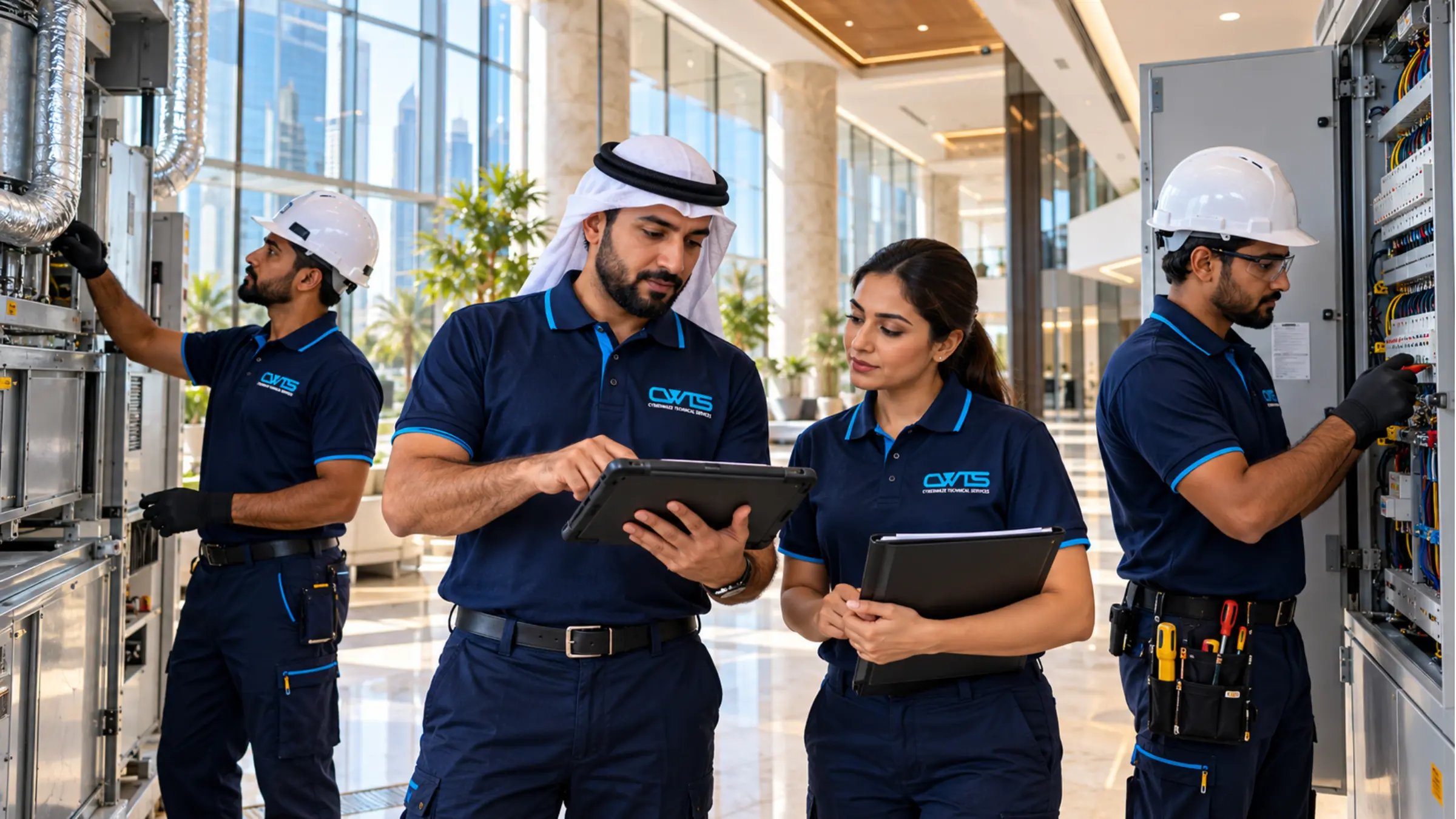
Soft FM services focus on the cleanliness, comfort, and everyday experience of people using a property.
Common examples include:
The exact services depend on the provider’s capabilities and the client’s contract. Businesses should confirm the scope before selecting a service provider.
Integrated facility management brings multiple building-related services under one coordinated management approach.
Instead of arranging every maintenance activity separately, property owners can work with a provider that coordinates agreed services through a structured process.
This approach can simplify communication, improve maintenance planning, and provide better visibility into ongoing property requirements.
Preventive maintenance involves scheduled inspections and servicing to reduce the likelihood of equipment failure. It may include checking air conditioning systems, electrical components, plumbing connections, and other essential assets.
Corrective maintenance focuses on resolving problems after they have been identified. Both approaches are important for maintaining building performance and controlling unexpected repair requirements.
Investing in professional facility management services across the UAE can provide several practical advantages for property owners and businesses.
Regular inspections and planned servicing help identify developing issues early. Addressing smaller problems can prevent more expensive repairs and unnecessary replacement of equipment.
Proper maintenance helps identify damaged electrical fittings, plumbing leaks, ventilation issues, and other potential hazards. Timely corrective action supports safer building conditions.
When maintenance activities are properly scheduled, businesses can reduce avoidable disruptions. Employees and occupants can use facilities more comfortably while essential systems remain operational.
Air conditioning units, electrical systems, plumbing installations, and other building assets require appropriate care. Regular maintenance helps protect these investments and supports their long-term performance.
Well-maintained properties are generally easier to manage and present to prospective tenants, buyers, and business partners. Consistent maintenance also helps preserve the condition of important building components.
Working with professional property maintenance services can help property owners coordinate inspections, repairs, technical work, and ongoing maintenance requirements through a clearer process.
A facility management provider has responsibilities that depend on the agreed contract, property requirements, and services being delivered. Some important responsibilities include:
Inspecting relevant building systems, identifying maintenance requirements, and preparing suitable maintenance schedules helps keep facilities in good condition.
Coordinating qualified technicians for electrical, plumbing, HVAC, and mechanical maintenance helps address technical issues and maintain essential building systems.
Maintenance activities should follow appropriate safety procedures, applicable requirements, and relevant technical standards. Providers should also communicate identified risks and necessary corrective work.
Where specialist work is required, coordinating appropriate contractors and confirming the agreed scope helps maintain service consistency and accountability.
Recording inspections, completed repairs, outstanding issues, and scheduled activities helps property managers understand the condition of their facilities and plan future work.
Reviewing completed work, responding to maintenance concerns, and following up on outstanding tasks supports consistent service delivery.
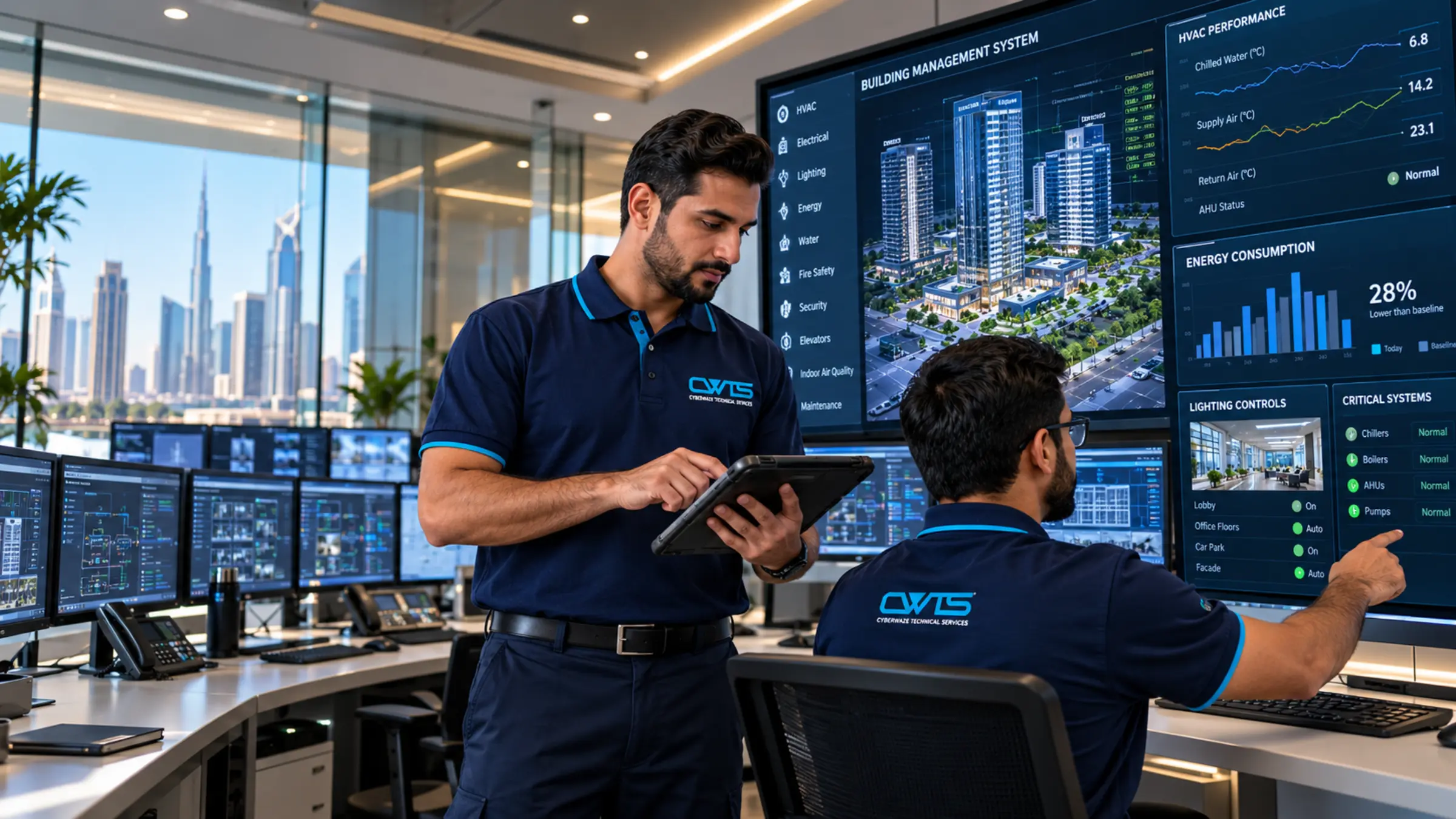
Choosing the right supplier needs more than comparing prices. Businesses should consider the following factors:
A well-defined service agreement helps both parties understand their responsibilities, timelines, and expected outcomes.
For larger property improvement and installation projects, CyberWaze also provides turnkey project management services, covering planning, procurement, installation, coordination, and final handover. Maintaining a property requires the right technical expertise, regular attention, and a practical approach to repairs and maintenance.
CyberWaze Technical Services L.L.C. provides technical and facilities maintenance solutions across the UAE. Its services include HVAC and air conditioning maintenance, electromechanical works, plumbing, electrical repairs, carpentry, painting, flooring, and other building-related technical requirements.
Whether you manage a residential property, office, commercial building, or another facility, understanding your maintenance requirements is the first step towards choosing suitable professional support.
Staying informed about property maintenance can help you make better decisions and avoid preventable repair issues. CyberWaze recently shared a LinkedIn update about Preventive Maintenance, highlighting how scheduled property upkeep can help reduce emergency repairs, limit structural damage, and preserve long-term property value.
Visit the CyberWaze Technical Services LinkedIn page to read the latest maintenance insights, explore practical property care tips, and stay updated on professional technical services. Follow CyberWaze on LinkedIn and discover more ways to maintain your property efficiently.
Effective facility management is essential for keeping residential and commercial properties functional, safe, and properly maintained. From technical repairs and preventive maintenance to service coordination, every activity contributes to better building performance. Choosing suitable facility management services can help property owners protect their assets, manage maintenance requirements, and create more reliable environments. For professional technical maintenance support, connect with CyberWaze Technical Services L.L.C. to discuss your property’s requirements and explore suitable solutions.
The main categories include hard facility management, soft facility management, integrated facility management, and specialist maintenance services. The exact scope depends on the property and service agreement.
They help maintain building systems, improve occupant comfort, reduce unexpected maintenance issues, support safety, and protect property assets.
Building maintenance focuses mainly on repairing and maintaining physical systems and structures. Facility management has a broader scope that may include maintenance planning, service coordination, inspections, and operational support.
Maintenance frequency depends on the building type, equipment, usage, manufacturer recommendations, and applicable requirements. A planned preventive maintenance schedule helps determine appropriate inspection and servicing intervals.
Consider the provider’s technical capabilities, relevant experience, service coverage, safety procedures, communication, and clearly defined service scope before making a decision.
Yuspendisse quis lorem urna. Donec sed dui mollis, elementum enim quis.

Respendisse quis lorem urna. Donec sed dui mollis, elementum enim quis.

Quis lorem suspendisse urna. Donec sed dui mollis, elementum enim quis.