November 2, 2026

Are you looking to understand the different types of facility management services, their benefits, and the key responsibilities involved in maintaining a property? Do...

Are unexpected AC breakdowns affecting your building’s comfort, energy use, or daily operations? A well-maintained HVAC system can help prevent costly disruptions and keep commercial spaces comfortable throughout the year.
A commercial HVAC maintenance checklist helps building managers identify potential problems, maintain system performance, and plan essential inspections before major faults occur.
In this guide, we will cover essential HVAC maintenance tasks, recommended inspection schedules, and practical ways to keep commercial air conditioning systems operating efficiently. You will also find a useful checklist that facility managers can follow.
Commercial buildings depend on properly functioning heating, ventilation, and air conditioning systems. Offices, shopping malls, hotels, and other facilities need consistent indoor temperatures and adequate airflow.
Regular HVAC preventive maintenance helps identify worn components, blocked filters, drainage problems, and electrical issues before they develop into expensive repairs.
Key benefits include:
A structured maintenance checklist makes it easier for facility managers to monitor equipment conditions and organize professional inspections.
The following table covers important maintenance activities for commercial HVAC systems.
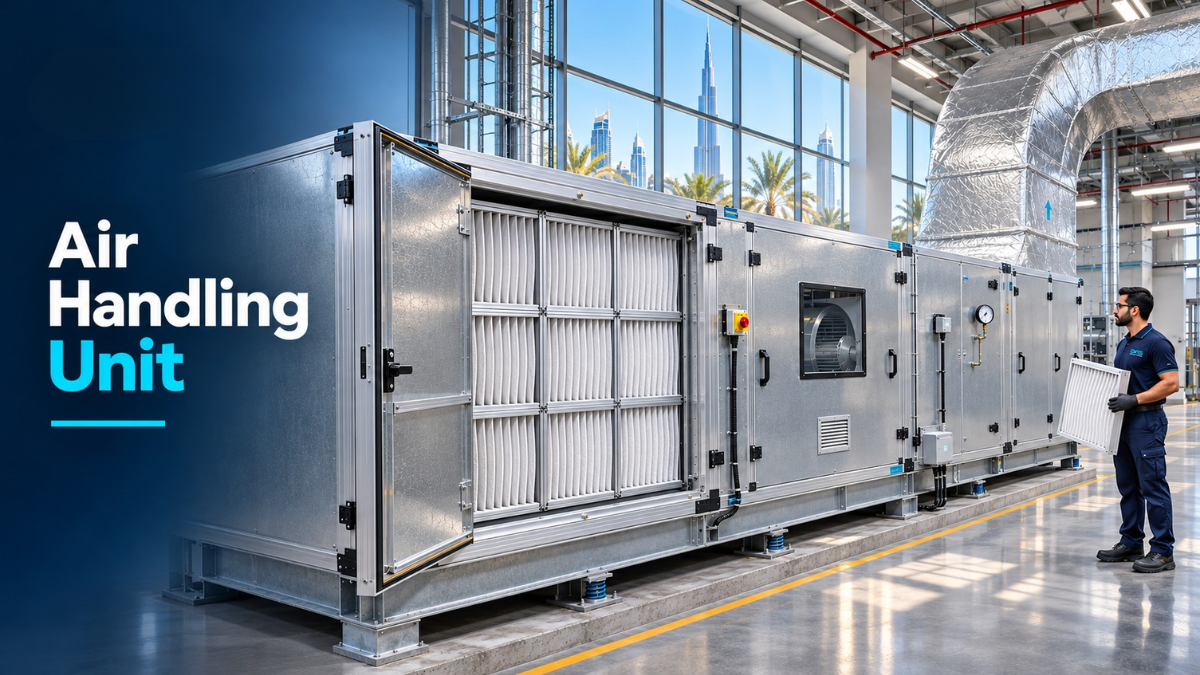
Air filters collect dust and airborne particles during normal operation. Dirty filters can restrict airflow and make the system work harder.
Maintenance tasks:
Evaporator and condenser coils are essential components of commercial cooling systems. Dirt accumulation can reduce heat transfer and affect cooling performance.
Maintenance tasks:
Incorrect thermostat settings can affect indoor comfort and increase unnecessary energy consumption.
Maintenance tasks:
Blocked condensate drains can cause water leakage, moisture accumulation, and damage around HVAC equipment.
Maintenance tasks:
Electrical components must operate correctly to support safe and reliable equipment performance.
Maintenance tasks:
Electrical testing and repairs should always be performed by qualified technicians.
Fans and motors help circulate conditioned air throughout commercial properties. Worn belts, damaged bearings, or poorly functioning motors can affect system performance.
Maintenance tasks:
Damaged or leaking ducts can reduce airflow and affect temperature consistency across different building areas.
Maintenance tasks:
These inspection areas are consistent with established commercial HVAC maintenance guidance. Actual tasks should be adjusted to the equipment installed and its operating conditions.
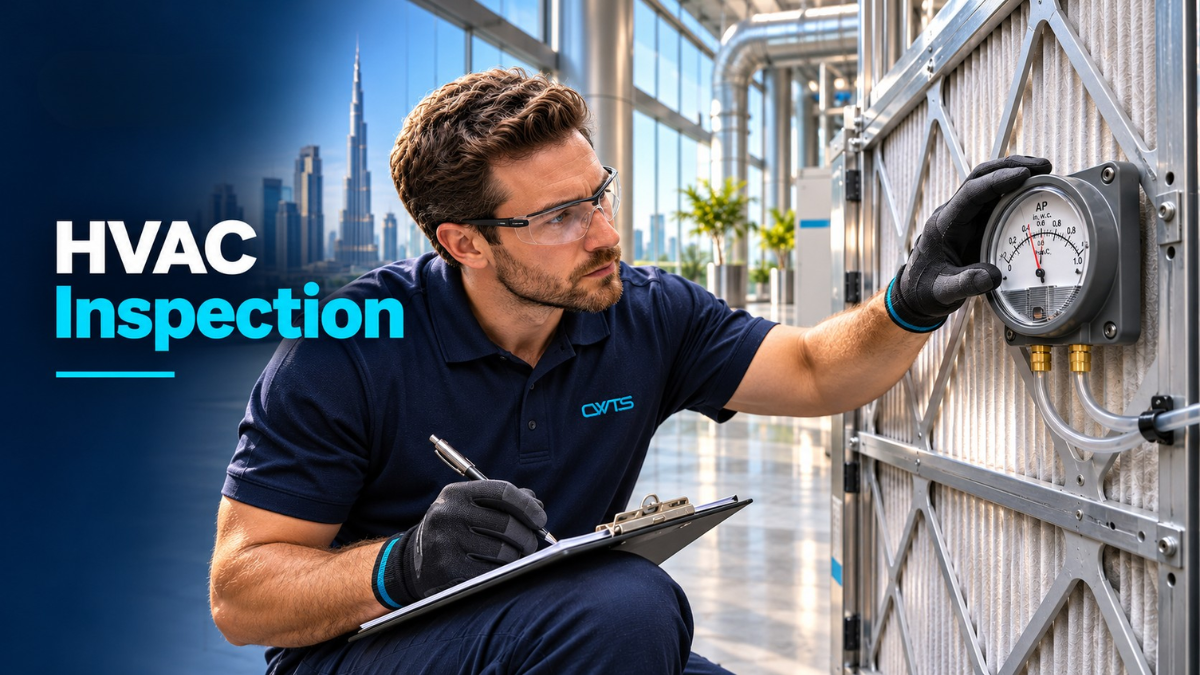
A maintenance schedule helps property managers organize routine inspections and professional servicing.
| Frequency | Essential Maintenance Tasks |
| Daily | Monitor system operation, unusual noise, temperature and visible leaks. |
| Weekly | Check accessible vents, air intake areas and equipment surroundings. |
| Monthly | Inspect filters, thermostats and condensate drainage. |
| Quarterly | Review coils, belts, motors, electrical components and airflow. |
| Semi-Annually | Arrange detailed seasonal inspections and system performance checks. |
| Annually | Schedule comprehensive professional HVAC inspection and servicing. |
Important: This is a general planning schedule, not a universal servicing requirement. Actual maintenance intervals depend on equipment manufacturer recommendations, building usage, environmental conditions and professional assessment.
Recognizing early warning signs can help prevent unexpected equipment failures.
Watch for these common indicators:
If these problems appear, arrange an inspection with a qualified HVAC technician.
Commercial HVAC systems contain multiple mechanical, electrical and ventilation components that require proper inspection and servicing. Professional commercial HVAC maintenance services help property managers establish suitable maintenance schedules, identify equipment issues and coordinate necessary repairs.
Cyberwaze Technical Services Est. provides technical and facilities maintenance solutions across the UAE, including HVAC system maintenance and repair as part of its commercial building maintenance offerings. For offices, buildings, malls and other facilities, a planned maintenance approach can help support reliable building operations.
Keeping commercial properties in good condition requires ongoing attention to maintenance, technical improvements and facility management. Follow Cyberwaze Technical Services on Instagram to explore the company’s latest updates, technical service information and business activities.
Visit our Instagram page:
https://www.instagram.com/cyberwazetechnicalservices/
Stay connected with our team and explore updates about technical and facilities maintenance services.
A reliable HVAC system is essential for maintaining comfortable and functional commercial buildings. Following a structured commercial HVAC maintenance checklist helps facility managers monitor important components, organize inspections and address potential problems early. Regular inspections and professional HVAC maintenance services can support better equipment performance and more dependable building operations. Looking for reliable technical and building maintenance support? Contact Cyberwaze Technical Services Est. to discuss your commercial facility maintenance requirements.
Commercial HVAC systems should follow a planned maintenance schedule. Filters, drainage, coils, electrical components and controls require inspections at intervals based on equipment usage and manufacturer recommendations.
A typical checklist includes air filter inspection, coil cleaning, thermostat testing, drainage checks, electrical inspections, fan and motor maintenance, and ductwork assessment.
Preventive maintenance helps identify equipment problems early, supports energy efficiency, reduces unexpected breakdowns and maintains comfortable indoor environments.
Common signs include weak airflow, uneven cooling, unusual noises, water leakage, frequent system cycling and increased energy consumption.
Yes. Qualified HVAC technicians can inspect complex equipment, perform technical testing, identify faults and recommend suitable maintenance or repair solutions.
Are you looking to understand the different types of facility management services, their benefits, and the key responsibilities involved in maintaining a property? Do...