A well-maintained building creates a safer, more comfortable, and productive environment for everyone. But are you checking every essential system before a small maintenance issue becomes an expensive repair?
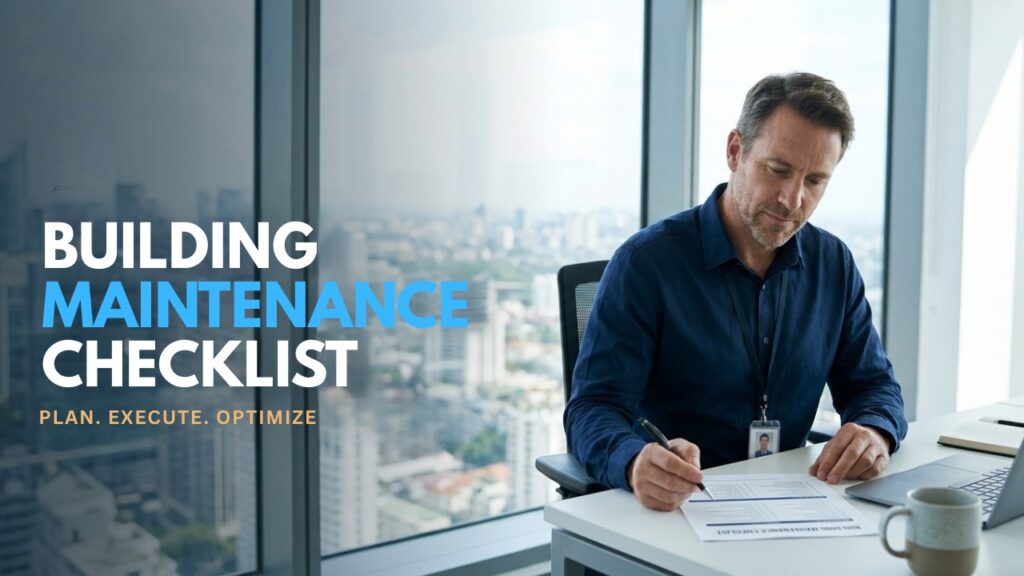
A Building Maintenance Checklist helps facility managers monitor building conditions, schedule essential inspections, and keep daily operations running smoothly.
In this article, we will cover essential building maintenance tasks, from HVAC and electrical systems to plumbing, safety, and structural inspections. You will also find a practical maintenance checklist, recommended inspection frequencies, and tips for choosing professional building maintenance support.
What Is a Building Maintenance Checklist?
A building maintenance checklist is a structured list of inspection, servicing, and repair tasks used to maintain a property’s essential systems and physical condition. It helps facility managers identify potential problems, organize maintenance activities, and monitor completed work.
A well-planned Facility Maintenance Checklist generally covers:
- HVAC and ventilation systems.
- Electrical installations and lighting.
- Plumbing and drainage systems.
- Building structure and exterior areas.
- Fire safety and emergency equipment.
- Common areas and essential facilities.
For commercial properties, following a consistent checklist helps reduce unexpected breakdowns and maintain a better working environment.
Why Is Building Maintenance Important for Facility Managers?
Efficient maintenance is more than fixing harm equipment. It is about protecting building assets and maintaining reliable operations.
Here are some important benefits of following a structured maintenance plan.
1. Prevents Expensive Repairs
Routine inspections help identify minor problems before they develop into major maintenance issues. Addressing leaks, damaged fittings, and equipment faults early can help control repair expenses.
2. Improves Building Safety
Regular inspections help identify electrical faults, damaged flooring, blocked emergency exits, and other potential hazards.
3. Extends Equipment Lifespan
Proper servicing helps maintain HVAC units, electrical equipment, plumbing installations, and other essential building assets.
4. Maintains Occupant Comfort
Functional air conditioning, clean common areas, proper lighting, and reliable plumbing contribute to a comfortable environment for employees, tenants, and visitors.
5. Supports Better Facility Management
A documented maintenance schedule helps facility managers organize responsibilities, monitor completed tasks, and plan future maintenance requirements.
Essential Building Maintenance Checklist for Facility Managers
A practical Commercial Building Maintenance Checklist should cover every important area of a property. The following table provides essential tasks that facility managers can include in their maintenance planning.
1. Daily Building Maintenance Checklist
| Maintenance Area | Essential Tasks |
| Common Areas | Inspect entrances, corridors, lobbies, and shared spaces |
| Lighting | Check indoor and outdoor lighting |
| Plumbing | Look for visible leaks and drainage problems |
| HVAC | Check cooling performance and unusual noises |
| Safety | Ensure emergency exits remain accessible |
| Housekeeping | Check cleanliness and general property conditions |
| Elevators | Report unusual operation or visible issues |
2. Weekly Building Maintenance Checklist
| Maintenance Area | Essential Tasks |
| HVAC Systems | Inspect accessible filters and ventilation outlets |
| Electrical | Check visible fittings and report damaged components |
| Plumbing | Inspect taps, pipes, and drainage points |
| Doors and Windows | Check locks, hinges, and closing mechanisms |
| Exterior Areas | Inspect walkways, parking areas, and entrances |
| Fire Safety | Check visible equipment condition and access |
| Common Facilities | Review reported maintenance issues |
3. Monthly Building Maintenance Checklist
| Maintenance Area | Essential Tasks |
| Air Conditioning | Schedule filter servicing and system inspections |
| Electrical Panels | Arrange qualified inspections for visible concerns |
| Water Systems | Check pumps, tanks, and accessible connections |
| Drainage | Inspect drainage points for blockages |
| Building Structure | Check walls, ceilings, and visible cracks |
| Emergency Lighting | Arrange functional checks |
| Maintenance Records | Review completed and pending maintenance tasks |
4. Quarterly and Annual Maintenance Checklist
| Frequency | Essential Tasks |
| Quarterly | Review HVAC performance and arrange specialist servicing |
| Quarterly | Inspect exterior walls, windows, and accessible roof areas |
| Quarterly | Review electrical and plumbing maintenance records |
| Quarterly | Check maintenance contracts and outstanding repairs |
| Annually | Arrange comprehensive building condition assessments |
| Annually | Review major equipment condition and replacement needs |
| Annually | Review the complete preventive maintenance plan |
Important: These frequencies are general planning guidelines, not universal technical requirements. Actual inspection intervals should follow equipment manufacturer recommendations, building conditions, applicable regulations, and qualified professional advice.
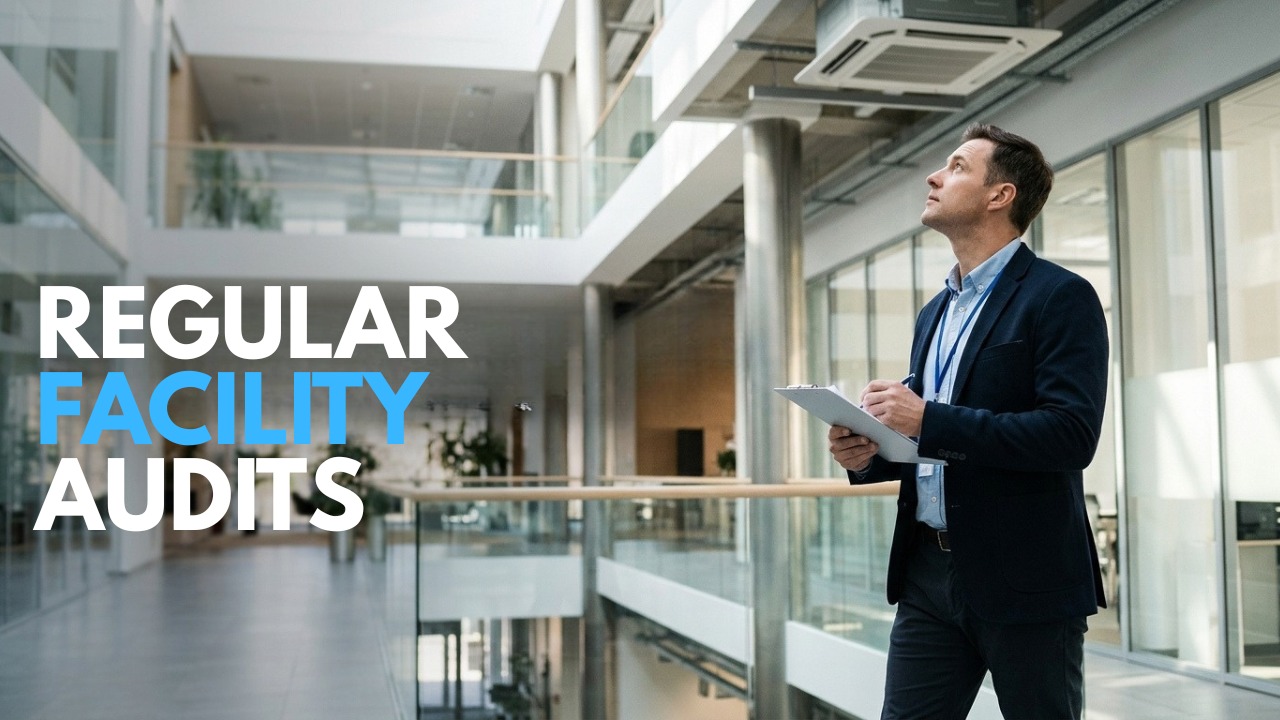
Key Areas That Require Regular Building Maintenance
Facility managers should pay particular attention to the following building systems.
1. HVAC and Air Conditioning Systems
HVAC systems play an important role in indoor comfort and air circulation, particularly in buildings operating throughout the year.
Essential HVAC Maintenance Tasks include:
- Inspecting and cleaning air filters.
- Checking ventilation outlets and airflow.
- Inspecting condensate drainage.
- Checking thermostats and temperature controls.
- Monitoring unusual sounds and vibrations.
- Arranging professional servicing when required.
CyberWaze Technical Services provides technical maintenance support for air conditioning and ventilation systems. Explore its professional maintenance services for more information.
2. Electrical Systems and Lighting
Electrical maintenance helps identify potential faults and supports the safe operation of building equipment.
Facility managers should:
- Monitor visible electrical fittings.
- Report damaged switches and outlets.
- Check lighting performance.
- Keep electrical rooms clear and accessible.
- Arrange qualified inspections of electrical panels.
- Record recurring electrical problems.
Electrical repairs and installations should always be handled by appropriately qualified professionals.
3. Plumbing and Drainage Systems
Plumbing problems can affect building operations and cause damage if they remain unnoticed.
Include these tasks in your Plumbing Maintenance Checklist:
- Inspect visible pipes for leakage.
- Check taps, faucets, and sanitary fittings.
- Monitor water pressure.
- Inspect drainage points.
- Check accessible water tanks and pumps.
- Address unusual odours or recurring blockages.
4. Structural and Exterior Maintenance
The building’s exterior protects internal spaces from environmental conditions and everyday wear.
Regularly inspect:
- Walls and ceilings for cracks or dampness.
- Doors and windows for damage.
- Roof areas and drainage outlets.
- Exterior paint and visible surface deterioration.
- Flooring, staircases, and handrails.
- Parking areas and external walkways.
For smaller property repairs and general maintenance requirements, explore CyberWaze handyman services.
5. Fire Safety and Emergency Equipment
Safety inspections should form an essential part of every Building Maintenance Plan.
Facility managers should:
- Keep emergency exits accessible.
- Check emergency lighting and exit signs.
- Monitor fire extinguisher inspection dates.
- Arrange scheduled fire alarm and sprinkler system testing.
- Maintain inspection and service records.
- Follow applicable fire safety requirements.
Fire protection systems must be inspected and serviced by appropriately qualified specialists according to applicable requirements.
How to Create an Effective Preventive Maintenance Schedule
A Preventive Maintenance Checklist becomes more useful when every task has a clear schedule and responsible person.
Follow these steps:
Step 1: Identify Building Assets
Prepare a list of HVAC units, electrical systems, plumbing installations, elevators, and other essential equipment.
Step 2: Set Maintenance Frequencies
Organize tasks into daily, weekly, monthly, quarterly, and annual schedules according to equipment requirements.
Step 3: Assign Responsibilities
Make sure every inspection and maintenance activity has an assigned person or qualified service provider.
Step 4: Maintain Inspection Records
Record completed tasks, identified problems, repair details, and pending maintenance requirements.
Step 5: Review and Improve
Review maintenance reports regularly and update the schedule when building conditions or equipment requirements change.
For larger installation and improvement projects, you can also explore turnkey project management services.
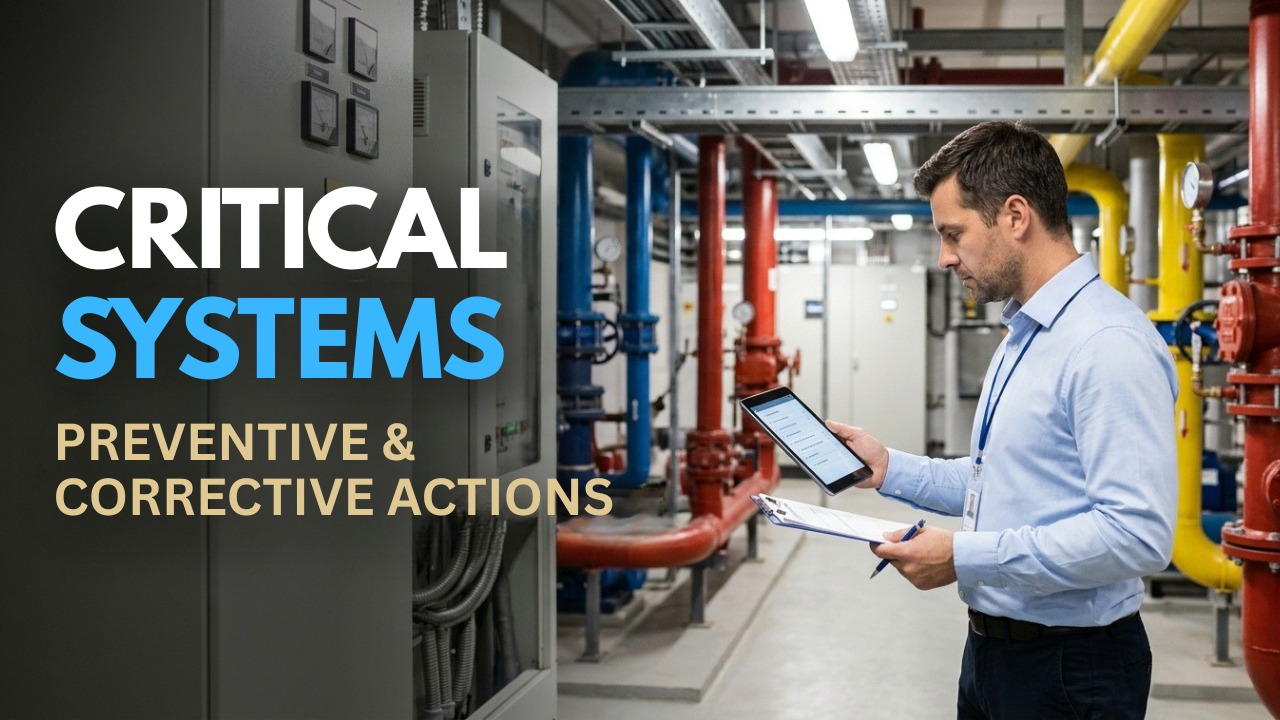
When Should You Hire a Professional Building Maintenance Company?
Managing every maintenance requirement internally can become challenging, especially for commercial buildings with multiple technical systems.
Professional support may be useful when:
- HVAC systems require specialist servicing.
- Electrical or plumbing problems need technical attention.
- Repeated maintenance issues affect building operations.
- Property improvements require skilled installation.
- Your team needs support with ongoing technical maintenance.
When comparing Building Maintenance Companies in Dubai, consider technical expertise, service coverage, response arrangements, safety practices, and clearly defined service responsibilities.
CyberWaze Technical Services L.L.C. provides technical and facilities maintenance solutions across the UAE, supporting residential, commercial, and corporate properties.
Businesses can also explore its solar energy solutions for solar PV installation, battery storage, EV charging, and ongoing solar maintenance support.
Follow CyberWaze Technical Services on Instagram
Keeping up with practical maintenance advice can help property owners and facility managers make informed decisions about building care.
Follow CyberWaze Technical Services on Instagram for company updates, technical service information, and relevant maintenance content.
Visit the CyberWaze Technical Services Instagram page to explore its posts and learn more about its professional technical services.
Follow the page and stay connected with updates that support better property maintenance and facility management.
Final Thoughts
A reliable Building Maintenance Checklist helps facility managers organize inspections, identify maintenance issues, and protect essential building assets. From HVAC servicing and electrical inspections to plumbing, structural checks, and fire safety, every area deserves proper attention.
The right preventive maintenance schedule can help reduce unexpected repairs, support occupant safety, and maintain better building performance. If you need professional technical maintenance support for your property, connect with CyberWaze Technical Services L.L.C. to discuss your requirements and explore suitable maintenance solutions across the UAE.
Frequently Asked Questions
Q1. What should be included in a building maintenance checklist?
A building maintenance checklist should include HVAC systems, electrical installations, plumbing, drainage, structural inspections, fire safety equipment, lighting, and common areas.
Q2. How often should building maintenance be performed?
Maintenance frequency depends on the building type, equipment, usage, and manufacturer recommendations. Daily visual checks and scheduled weekly, monthly, quarterly, and annual inspections can help organize maintenance activities.
Q3. Differentiate between preventive and corrective maintenance?
Preventive maintenance involves scheduled inspections and servicing to reduce the likelihood of equipment failure. Corrective maintenance focuses on repairing problems after they occur.
Q4. Why is preventive maintenance important for commercial buildings?
Preventive maintenance helps identify developing problems, reduce unexpected equipment failures, protect building assets, and support safe and comfortable working environments.
Q5. How do I choose a building maintenance company in Dubai?
Look for relevant technical experience, qualified professionals, suitable service coverage, transparent pricing, safety procedures, and clearly defined maintenance responsibilities before selecting a provider.